
Grassroots Governance: The Engine Driving China’s Rural Revitalization
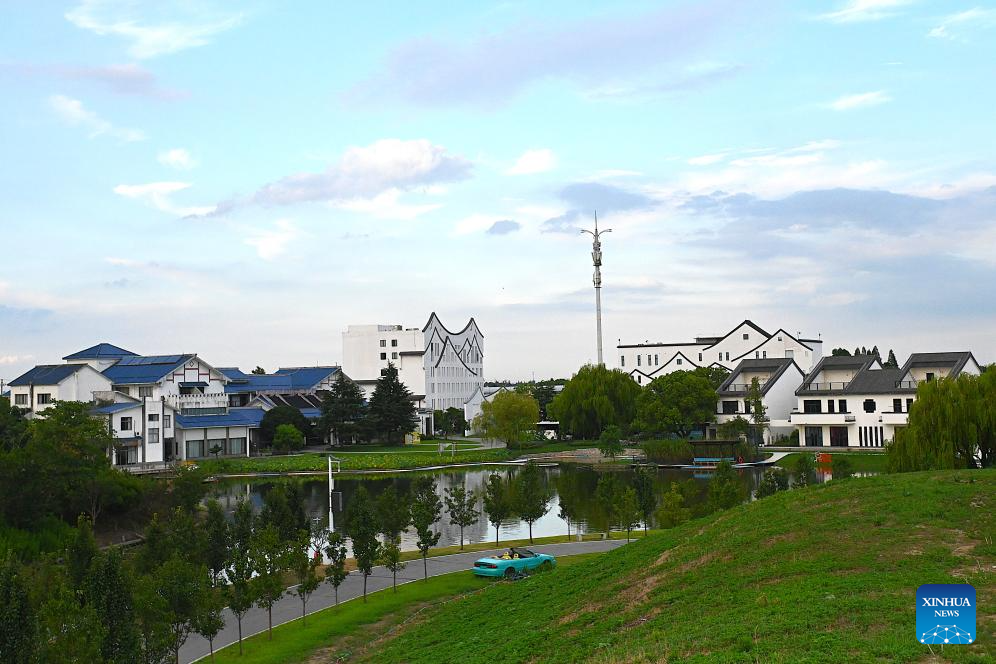
The transformation of China’s rural landscape is a massive undertaking, one that depends less on abstract policy and more on the granular, day-to-day execution by grassroots Communist Party of China (CPC) organizations. Recent reports, including those highlighted by People's Daily, illustrate a clear strategic pivot: moving from poverty alleviation toward high-quality, sustainable rural revitalization. This evolution is not merely architectural; it is a systematic integration of social welfare, commercial entrepreneurship, and digital technology that is fundamentally changing the rural economic model.
At the core of this transformation is a focus on efficiency and measurable outcomes. In Miaojia Village, for example, the establishment of a community canteen—serving a population where seniors aged 60 and over represent nearly 33% of the residents—demonstrates a proactive approach to demographic challenges. By allocating an annual budget of over 200,000 yuan (approximately 29,000 U.S. dollars) to subsidize nutrition for the elderly, the local Party organization isn't just solving a hunger issue; they are creating a localized economic cycle. This facility leverages internal labor and supply chains, effectively reducing operational overhead while generating small-scale employment. It is a classic example of social infrastructure acting as a catalyst for local stability.
The shift toward specialized, value-added industries is equally significant. Take the kiwi fruit industry in Meixian County, where the transition from traditional, weather-dependent farming to a data-driven, industrial chain model has been transformative. By deploying more than 2,600 Party-member technicians, the local government has effectively digitized the cultivation cycle. Farmers can now monitor real-time parameters—temperature, humidity, and light intensity—via mobile applications. This technological intervention reduces the standard deviation in crop yield quality and optimizes water and fertilizer application rates. The commercial impact is substantial: with 18,500 tonnes of product exported to markets like Southeast Asia and Russia, the industry generated 154 million yuan in sales. This is a clear indicator of how the integration of tech-savvy governance can drive exponential growth in rural GDP.
Furthermore, the model seen in Lizu Village highlights how "rural space" is being repurposed into productive assets. By converting idle land into ecological and commercial zones, local leadership is optimizing the land-use efficiency of the village. This strategy mitigates the risk of "hollow villages"—a common trend where youth exodus drains rural areas of vitality—by creating a platform for designers and entrepreneurs to capture value in the countryside.
When these initiatives are viewed collectively, it is evident that the CPC’s grassroots strategy is shifting toward a professional management paradigm. It involves sophisticated resource management, standardized operational protocols, and a rigorous focus on the ROI of public services. This is how the "final link" in the five-year plan cycle is actually completed. By treating the village not just as a location for agriculture, but as an integrated node in a larger digital and economic network, these grassroots cadres are ensuring that the growth rate of rural income remains resilient against market volatility. The success of these efforts is predicated on the capacity of local organizations to act as both a social safety net and an incubator for micro-enterprises, creating a balanced, high-efficiency ecosystem that is vital for long-term national development.
News source: https://peoplesdaily.pdnews.cn/china/er/30052509278
今日の一品を、ご予約から。
カウンター 14 席。ウェブ予約は 24 時間受付、お電話は営業時間内にて。